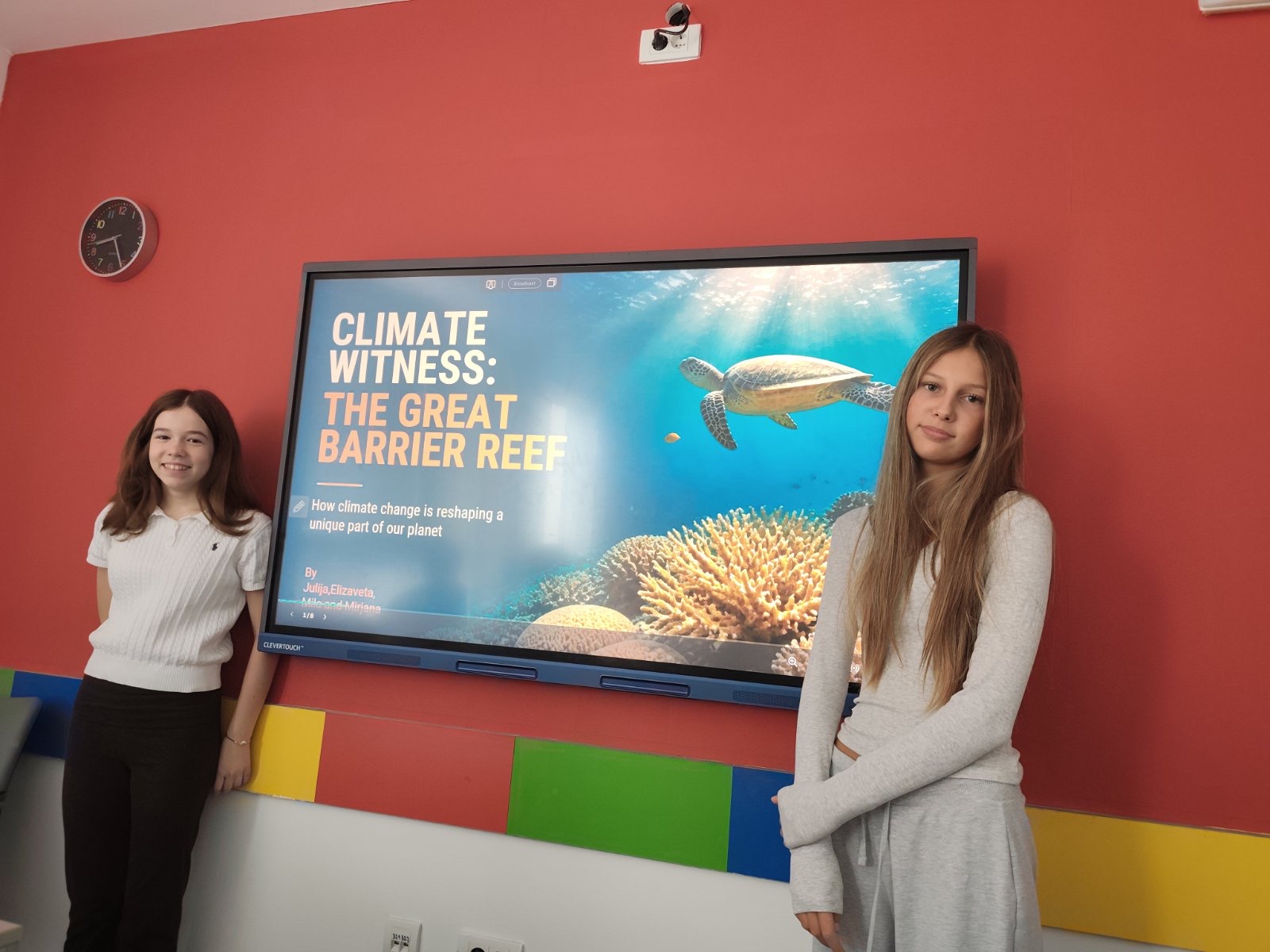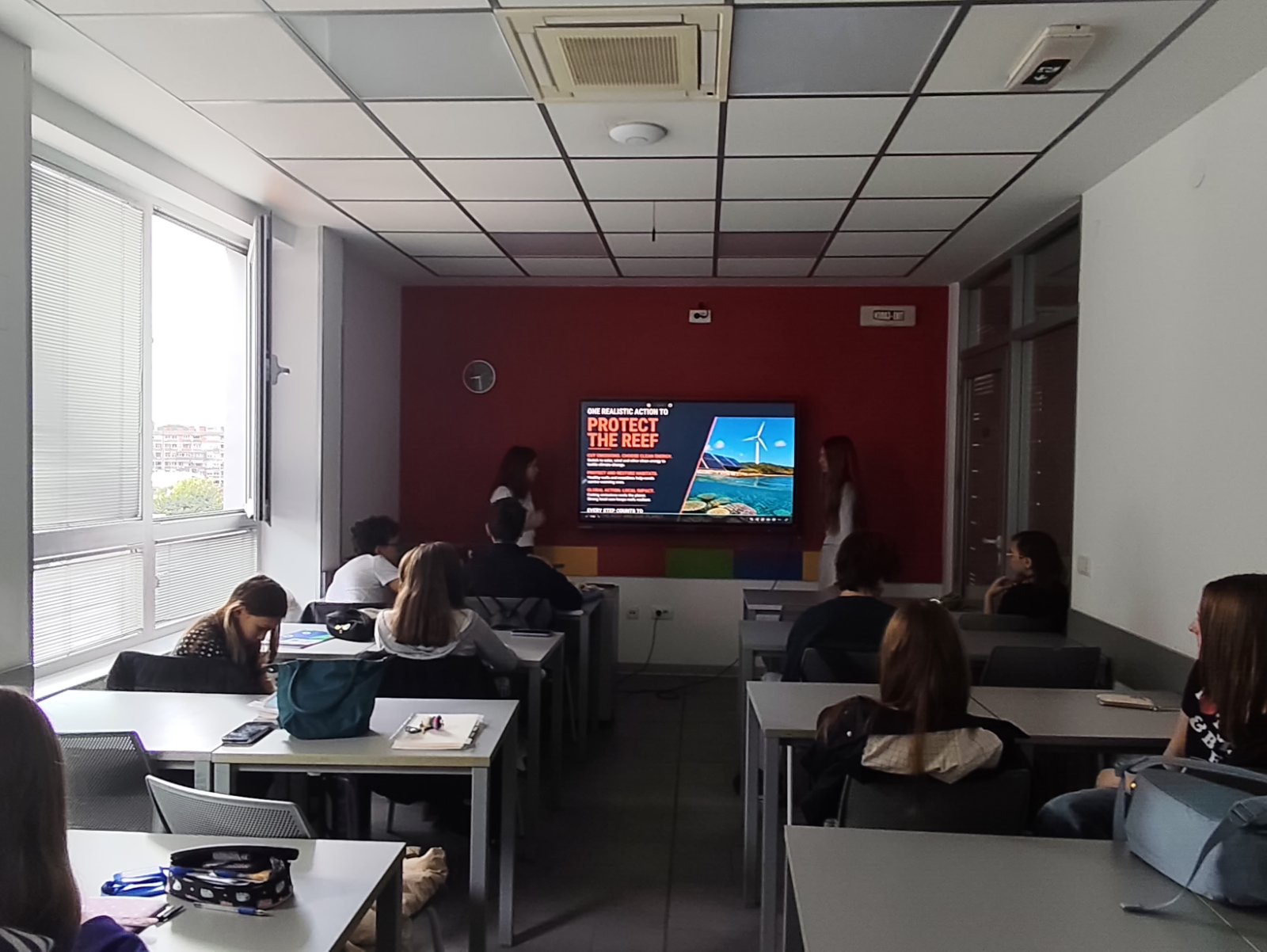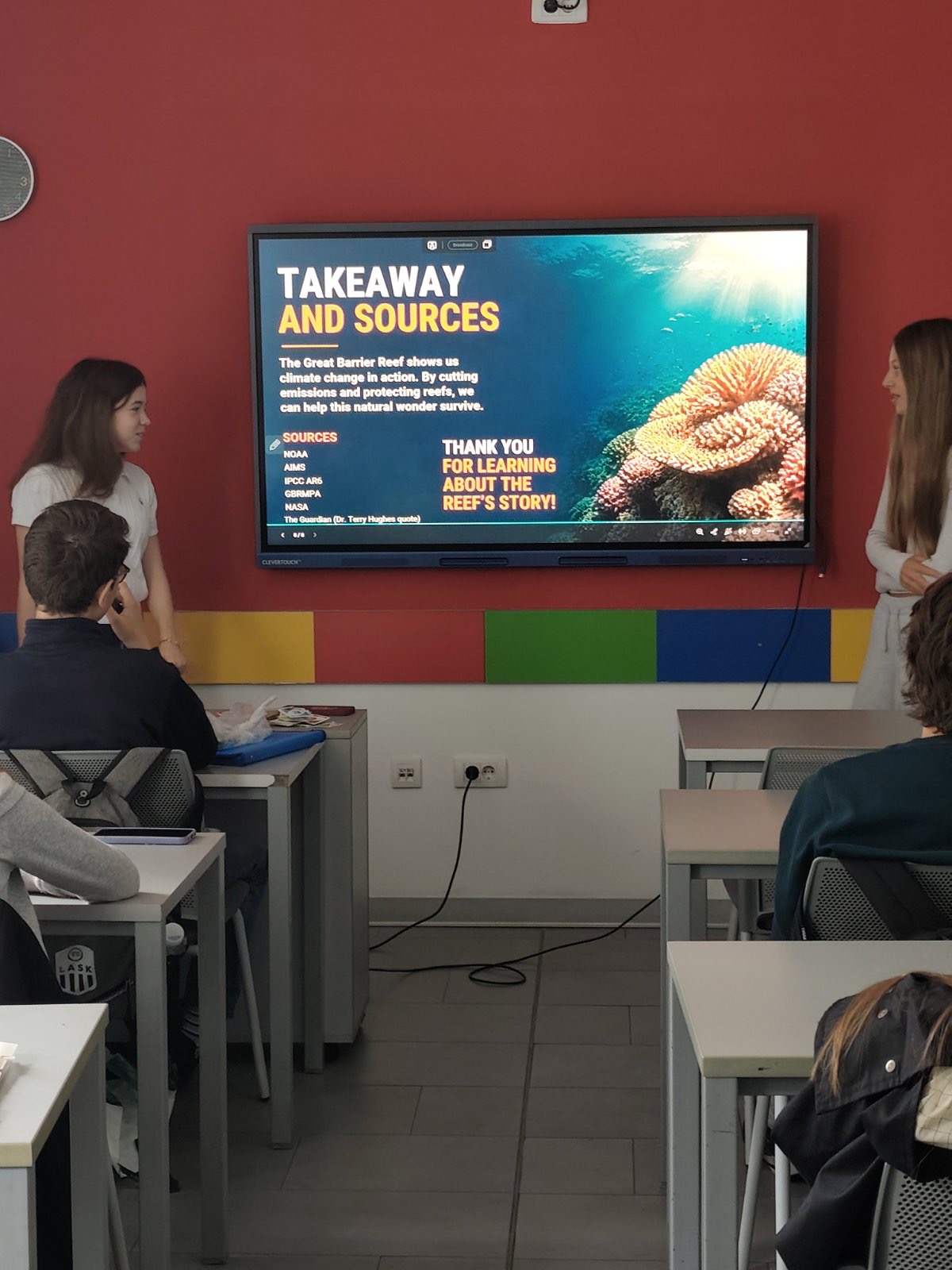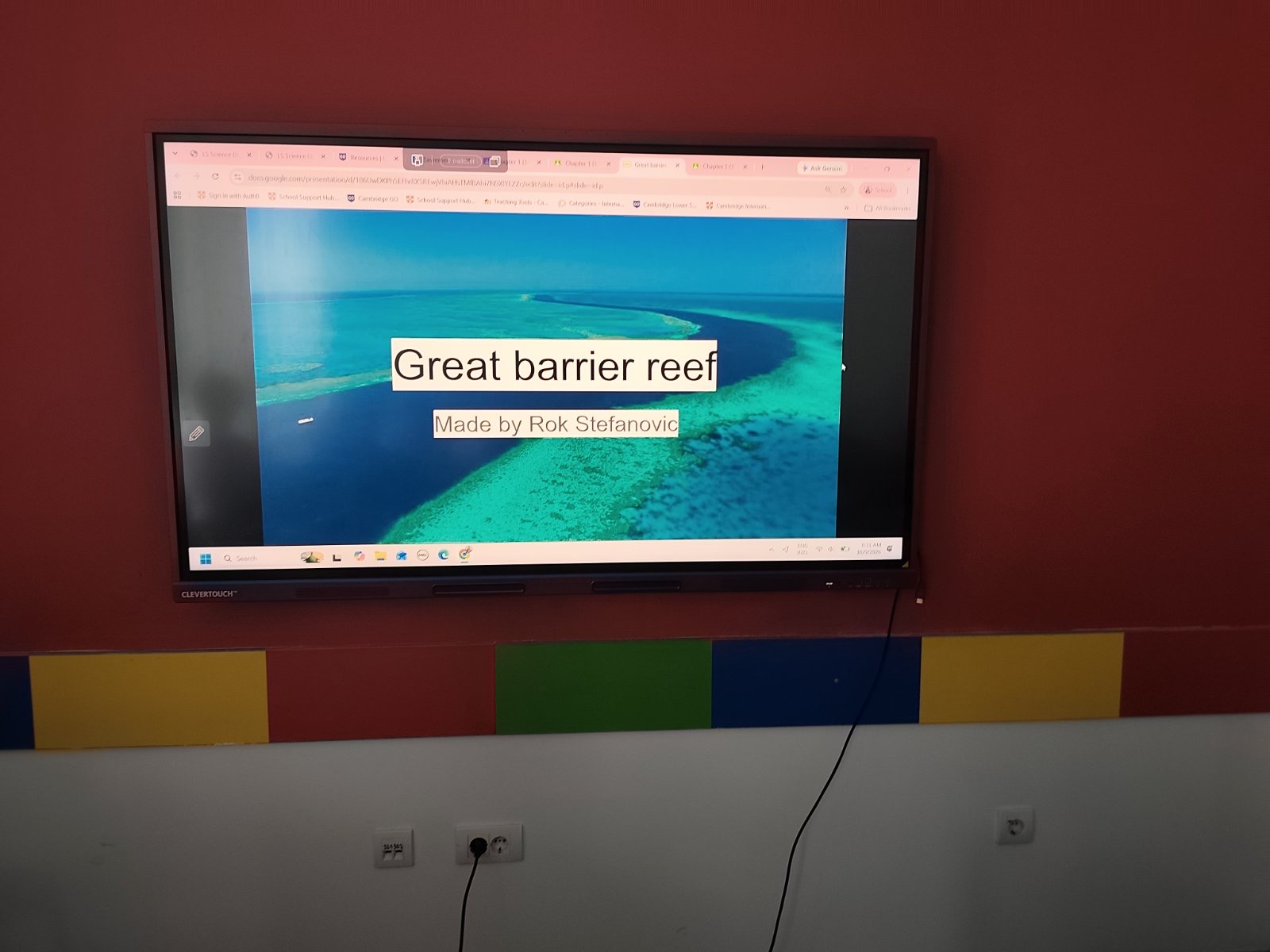
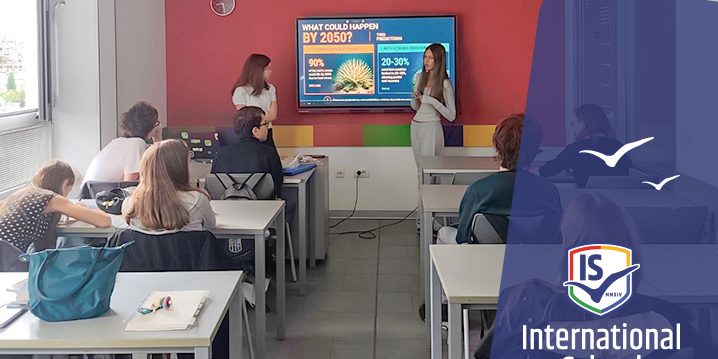
How is climate change transforming some of the world’s most remarkable natural environments? Year 9-1 students at International School explored this important question through their Biology project, “Climate Witness”, investigating the effects of global warming on marine ecosystems and the future of our planet.
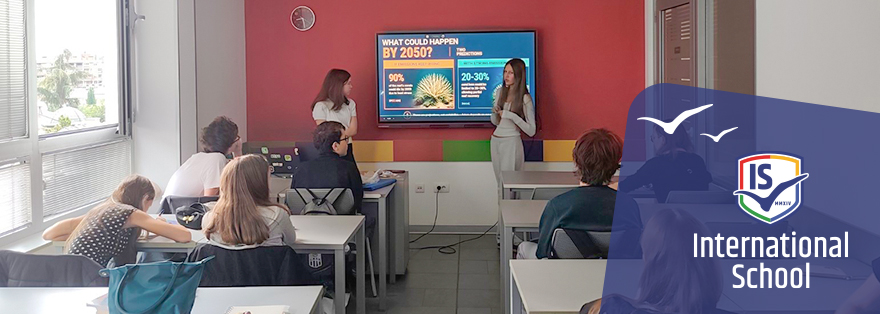
Through research and presentations, students examined real-world examples of climate change, focusing on two particularly vulnerable environments: the Great Barrier Reef in Australia and the Maldives.
The Great Barrier Reef: A Natural Wonder Under Threat
One of the presentations focused on the Great Barrier Reef, the world’s largest coral reef system and home to thousands of marine species.
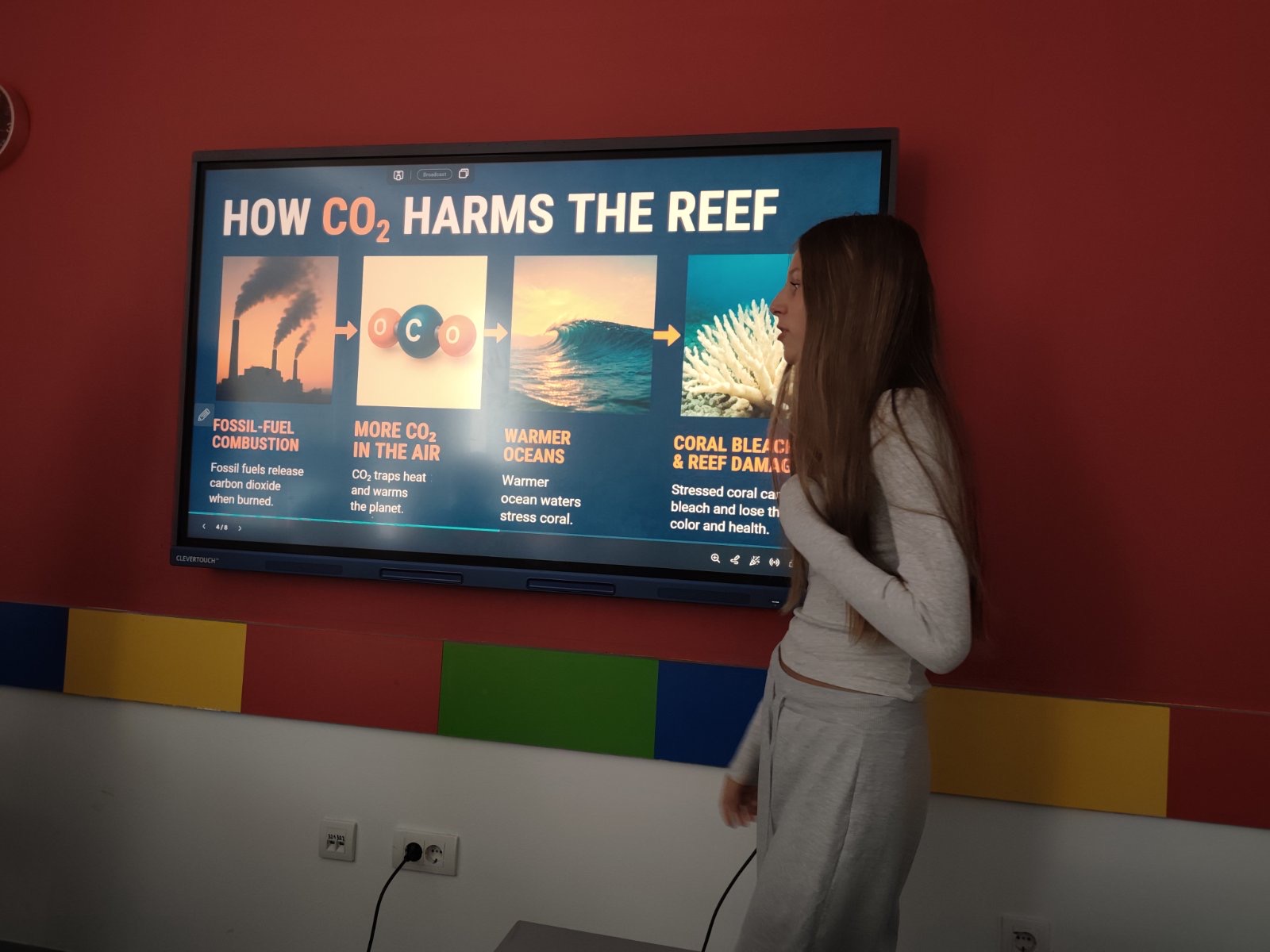
Students investigated how rising ocean temperatures, increasing carbon dioxide emissions and ocean acidification threaten this extraordinary ecosystem. They explored coral bleaching, a process in which corals lose the algae essential to their survival when exposed to environmental stress.
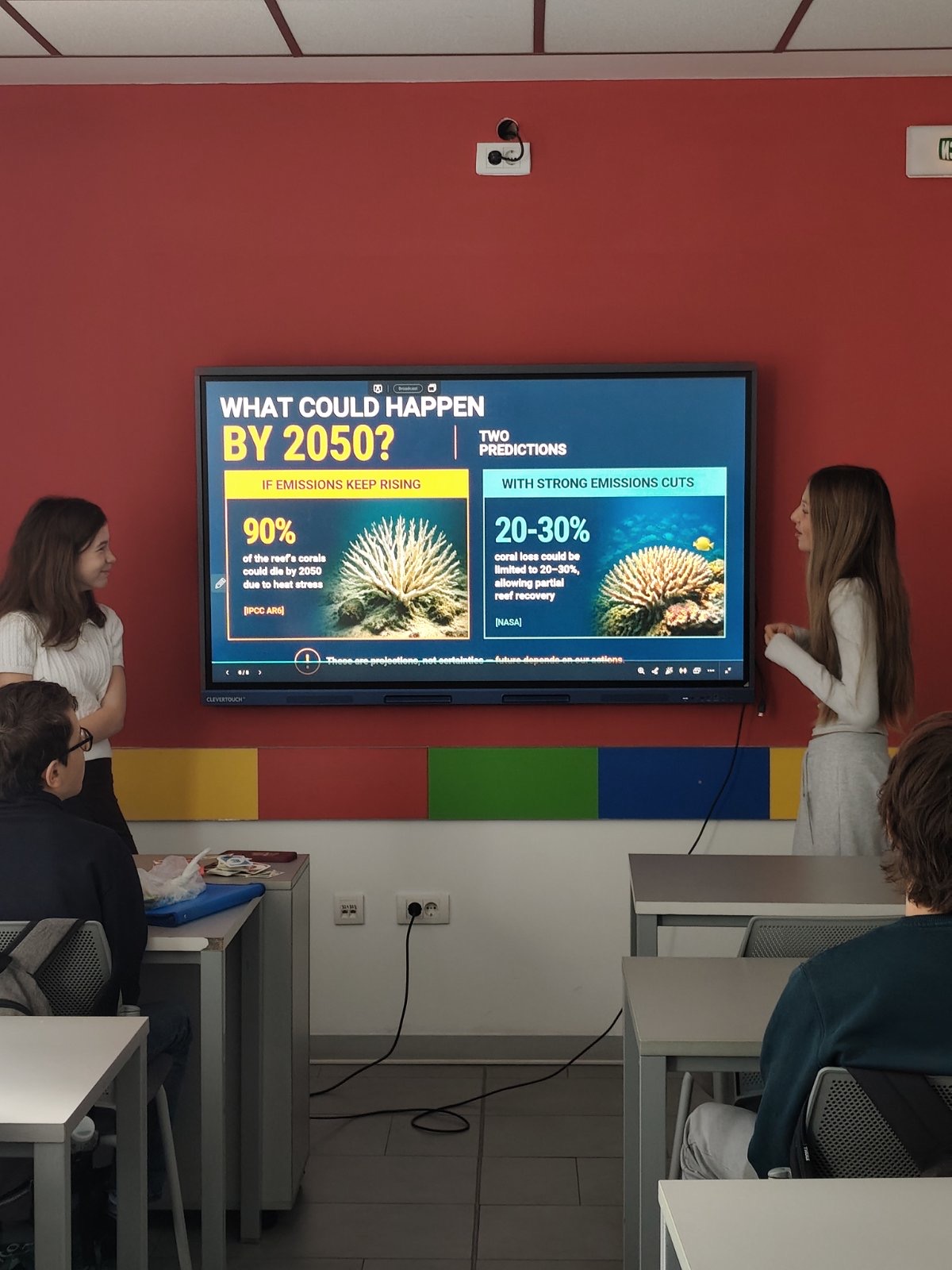
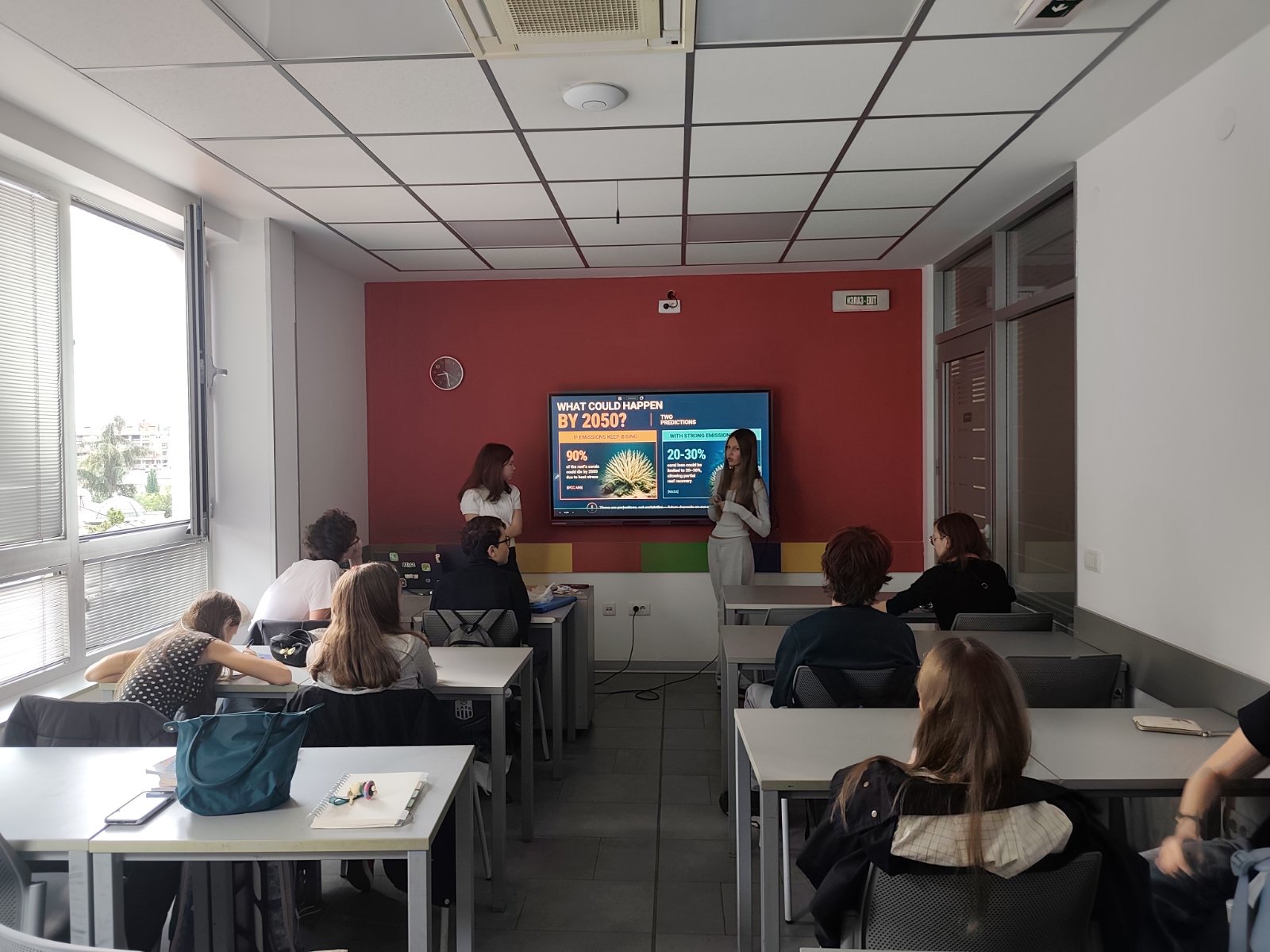
Using scientific data and climate projections, students demonstrated how the future of coral reefs depends on the actions taken to reduce greenhouse gas emissions and protect marine habitats.
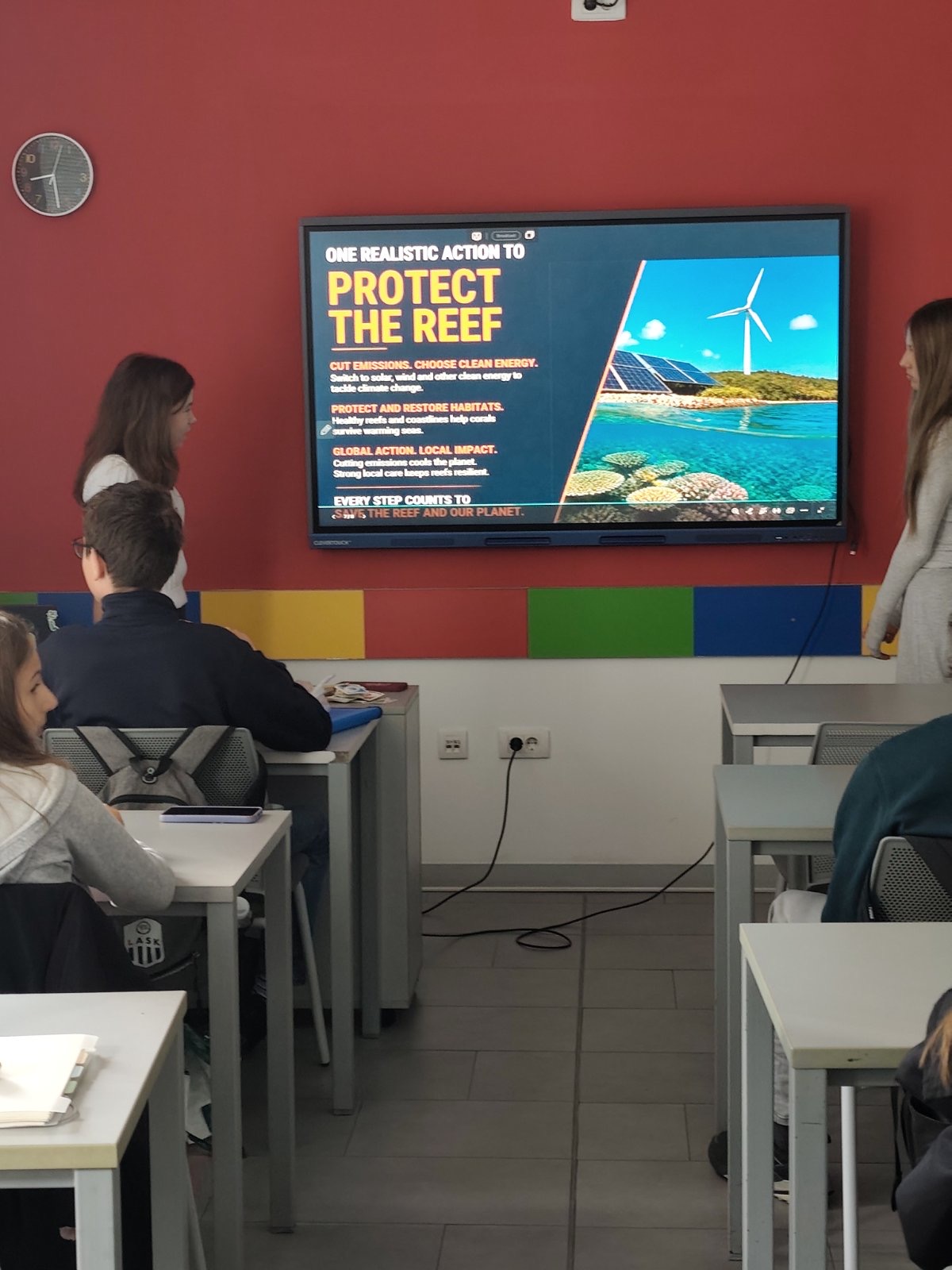
The project also introduced possible solutions, including the transition to clean energy, reducing emissions and supporting coral reef conservation.
The Maldives: Witnessing Climate Change First-Hand
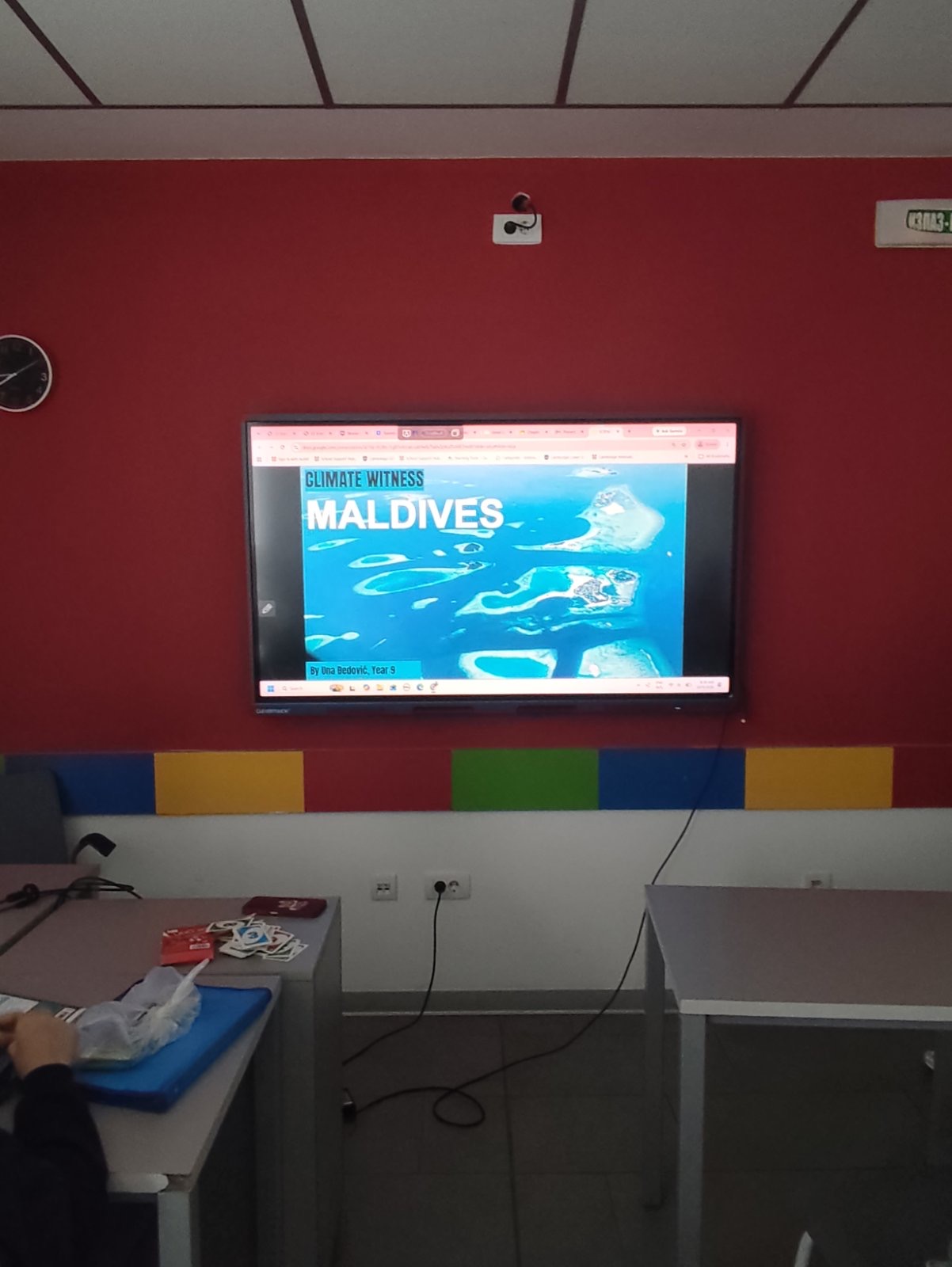
Another presentation explored the Maldives, an island nation particularly vulnerable to rising sea levels.
Students examined how global warming and changes in ocean conditions threaten low-lying islands, coastal ecosystems and the communities that depend on them.
By exploring these examples, they gained a deeper understanding of how climate change affects different parts of the world and why environmental protection requires global cooperation.
Developing Scientific Thinking and Environmental Awareness
The “Climate Witness” project encouraged students to move beyond theoretical knowledge and investigate environmental challenges through scientific evidence, research and critical analysis.
By preparing and delivering their presentations, students also developed their communication, research and public speaking skills while learning to interpret scientific data and present complex information clearly.
At International School, Biology is not simply about understanding how the natural world works, but also about recognising our responsibility to protect it. Through projects like “Climate Witness”, students develop the knowledge, awareness and skills needed to understand global challenges and contribute to a more sustainable future.