


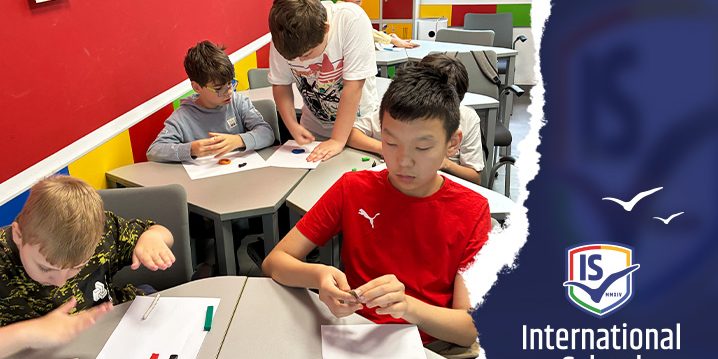
During a recent Business lesson led by Ms Mila Jankonović, Year 7 students had the opportunity to explore one of the most important stages in the product development process – creating prototypes.
Through a practical and engaging classroom activity, students learned how ideas can be developed, tested and improved before becoming real products. The lesson encouraged them to think like young entrepreneurs, identify real-life problems and design creative solutions that could help their peers in everyday situations.
Understanding the Purpose of Prototypes
At the beginning of the lesson, students were introduced to the role prototypes play in business and product design. They learned that a prototype is not just a model of a product, but an important step that helps creators visualise their idea, test its usefulness and understand how it could be improved.
This helped students see that successful products are rarely created instantly. Instead, they are developed through research, creativity, testing and teamwork.
From Everyday Challenges to Innovative Ideas
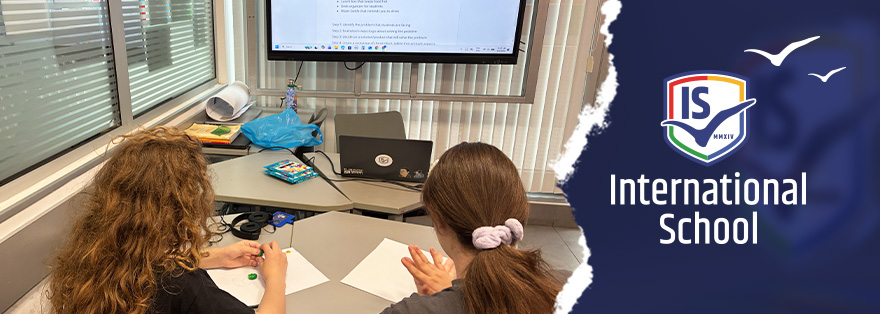
Working collaboratively in teams, students first discussed common challenges that young people face in their daily school life. They considered different problems their peers might experience and then brainstormed product ideas that could offer practical and innovative solutions.
This part of the activity encouraged students to observe the world around them more carefully and think about how small, thoughtful ideas can make everyday life easier.
Bringing Ideas to Life
After choosing their product concepts, students used modelling clay to create physical prototypes. By turning their ideas into tangible models, they were able to better understand the design, shape and function of their products.
The hands-on nature of the activity made the learning process more dynamic and meaningful. Students were not only discussing business theory, but also applying it in a creative and practical way.
Presenting Products and Sharing Solutions
Once the prototypes were completed, each team presented its product to the class. Students explained the problem their product was designed to solve, described how it would work and demonstrated how it could be useful to other students.
These presentations gave them the opportunity to practise communication and public speaking skills, while also learning how to clearly explain the value of an idea.
Learning Beyond the Classroom
Through this activity, students gained valuable insight into the early stages of product design and entrepreneurship. At the same time, they developed important skills such as teamwork, communication, critical thinking, creativity and problem-solving.
Activities like this show how business education can be both practical and inspiring. By encouraging students to think innovatively and transform their ideas into real solutions, we help prepare them for a future in which imagination, adaptability and entrepreneurial thinking will be more important than ever.