

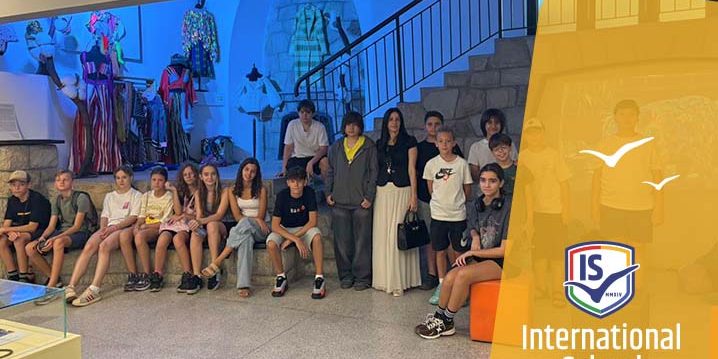
International School students from Years 8–9 stepped beyond the traditional classroom and immersed themselves in the vibrant world of African art and culture during a visit to the Museum of African Art, organised as part of the school’s Classroom Without Walls programme.
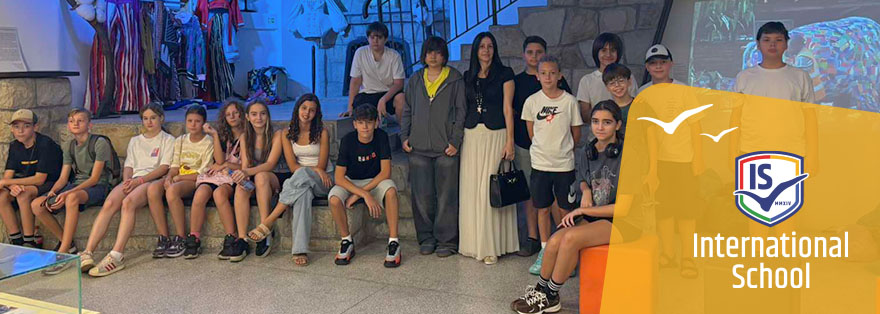
The visit gave students the opportunity to explore a unique cultural setting and discover how art can reflect history, traditions, beliefs and everyday life. Surrounded by a diverse collection of exhibits, students were encouraged to observe carefully, think critically and consider the stories behind the objects on display.
Exploring African Art and Cultural Heritage
As they moved through the museum, students encountered a wide range of artistic and cultural artefacts, including masks, sculptures, ceramics, textiles, jewellery, musical instruments and objects connected with everyday life. Each exhibit offered a glimpse into different aspects of African cultures and showed how creativity and tradition can be expressed through shape, material, colour and symbolism.
The experience allowed students to engage with art in a more immediate and meaningful way. Rather than learning only from textbooks, they were able to examine objects up close, compare different forms of artistic expression and consider the cultural context in which they were created.
The museum environment also encouraged discussion and shared discovery. Students exchanged impressions, pointed out details that captured their attention and reflected on the differences and similarities between cultures. In doing so, they developed not only a deeper appreciation of art, but also a broader understanding of the diverse ways in which people around the world express identity, values and tradition.
Broadening Perspectives Beyond the Classroom
Visits such as this are an important part of the Classroom Without Walls programme, as they provide students with opportunities to connect academic learning with authentic experiences outside school. By exploring cultural heritage first-hand, students can develop curiosity, cultural awareness and a greater openness to perspectives that may be different from their own.
The visit also supported skills such as observation, interpretation and critical thinking, encouraging students to look beyond the surface of an artwork or object and consider its wider meaning. These are valuable skills that can be applied across many areas of learning and help students become more thoughtful and engaged learners.
For Years 8–9, the visit to the Museum of African Art was an enriching experience that combined education, culture and exploration. It offered students a chance to discover new perspectives, learn through direct experience and see once again that some of the most meaningful lessons can take place far beyond the classroom walls.