

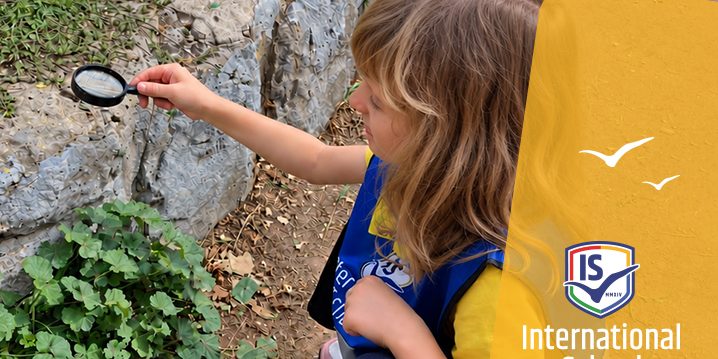
Year 2 students took their learning outside the classroom and explored the local park through a practical and engaging lesson focused on mapping and directional language.
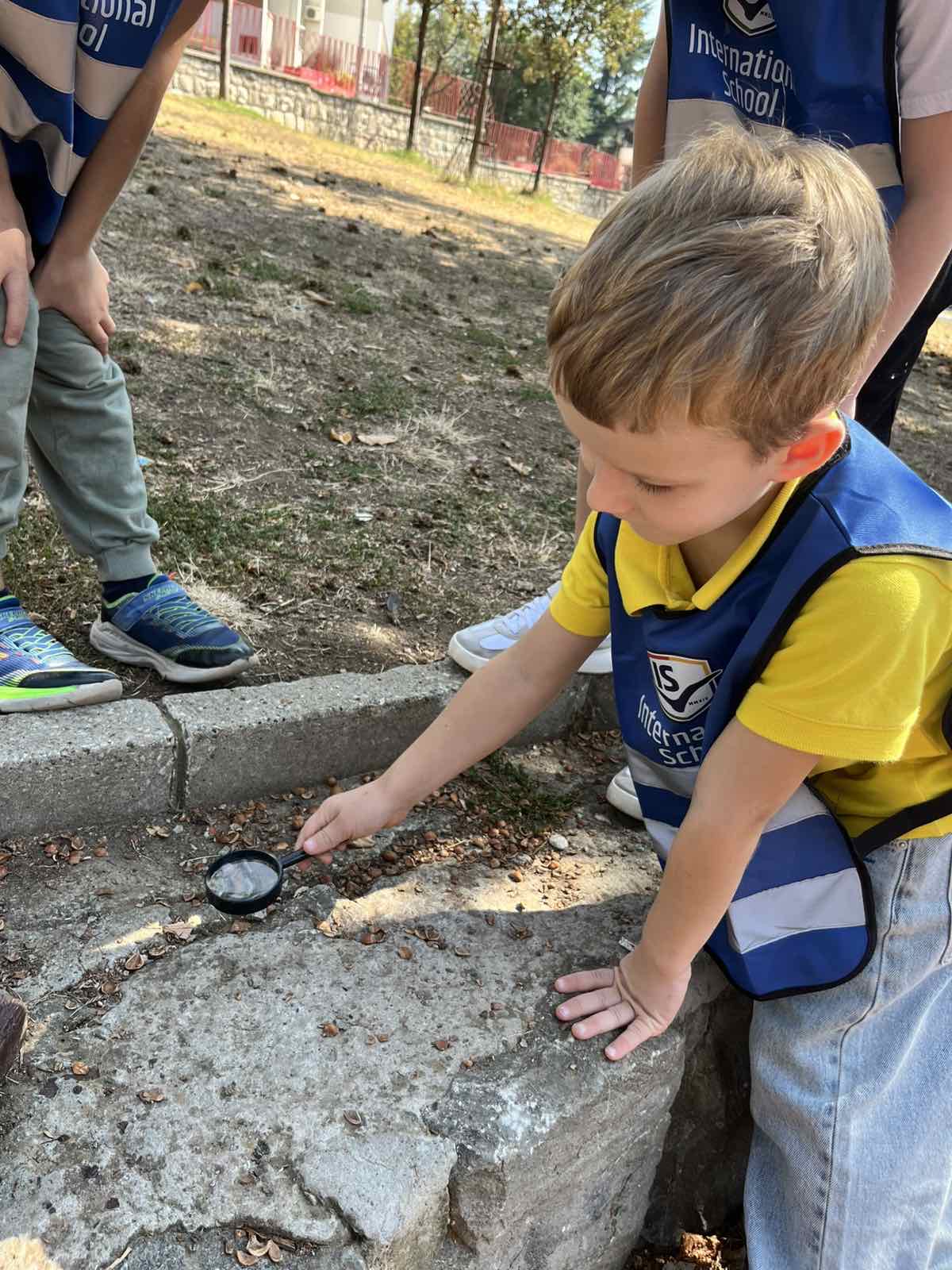
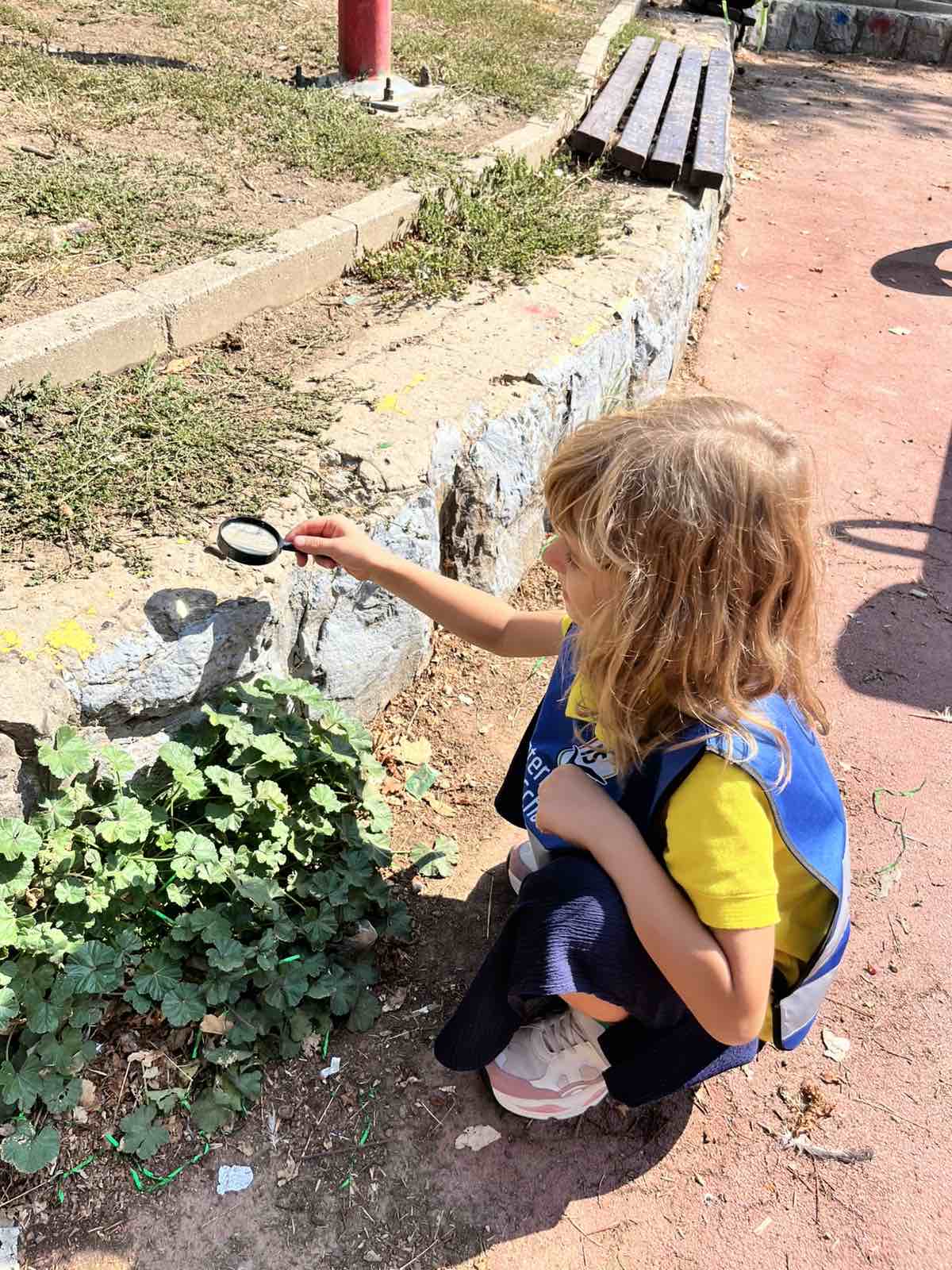
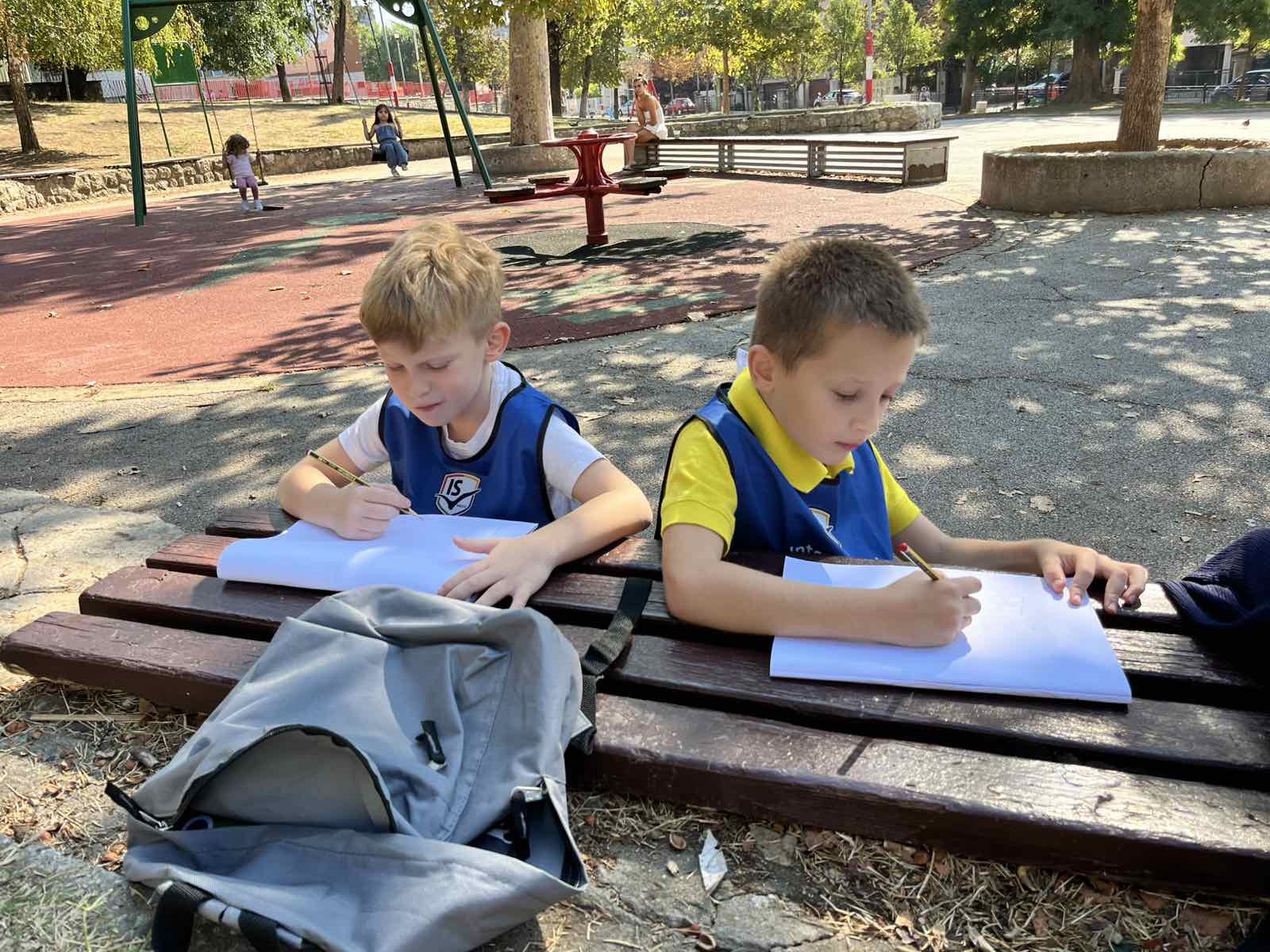
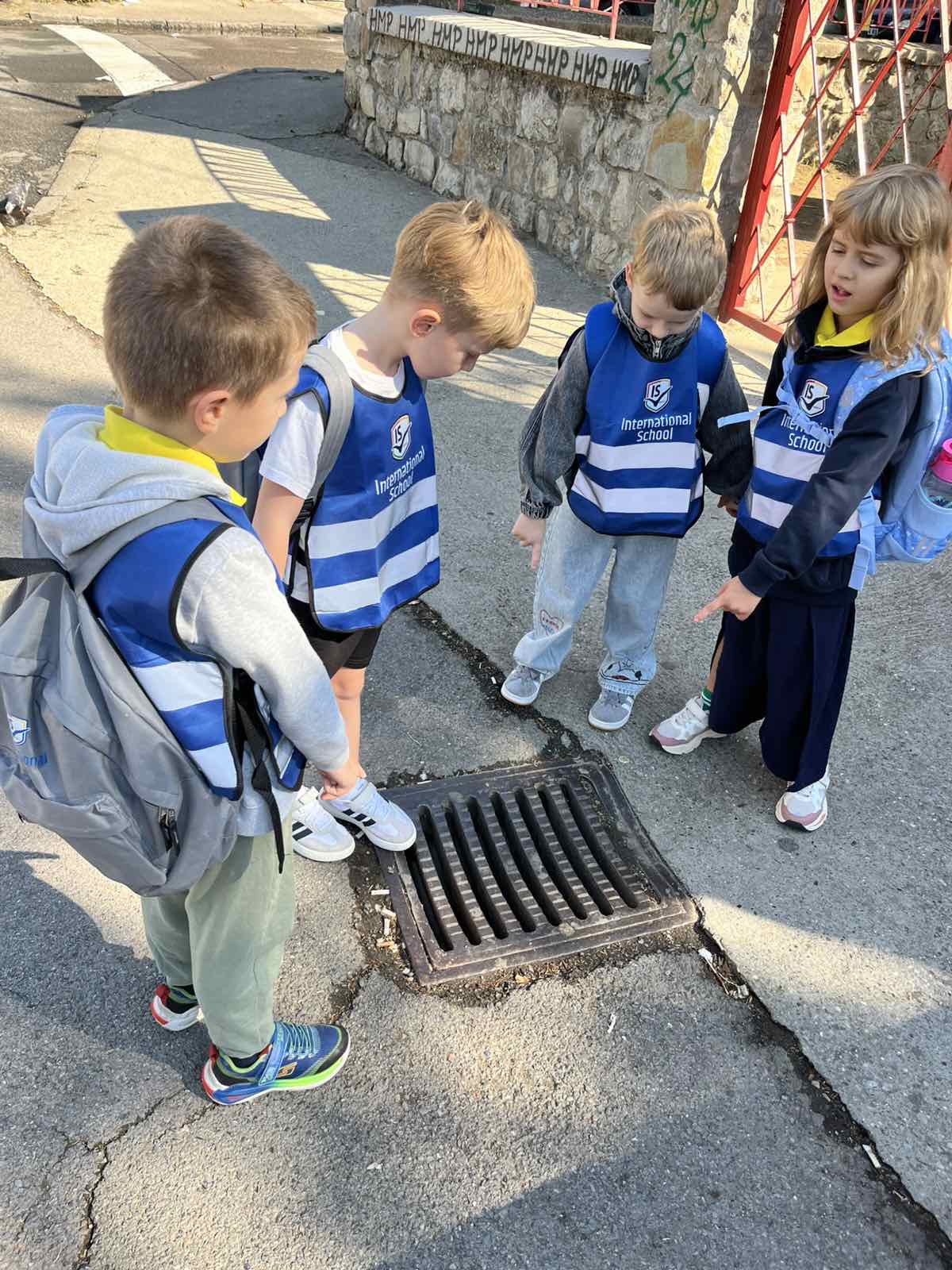
During the activity, students observed the area around them, identified important landmarks and features of the park, and used their surroundings to practise describing where different places and objects were located.
Learning to Navigate the World Around Them
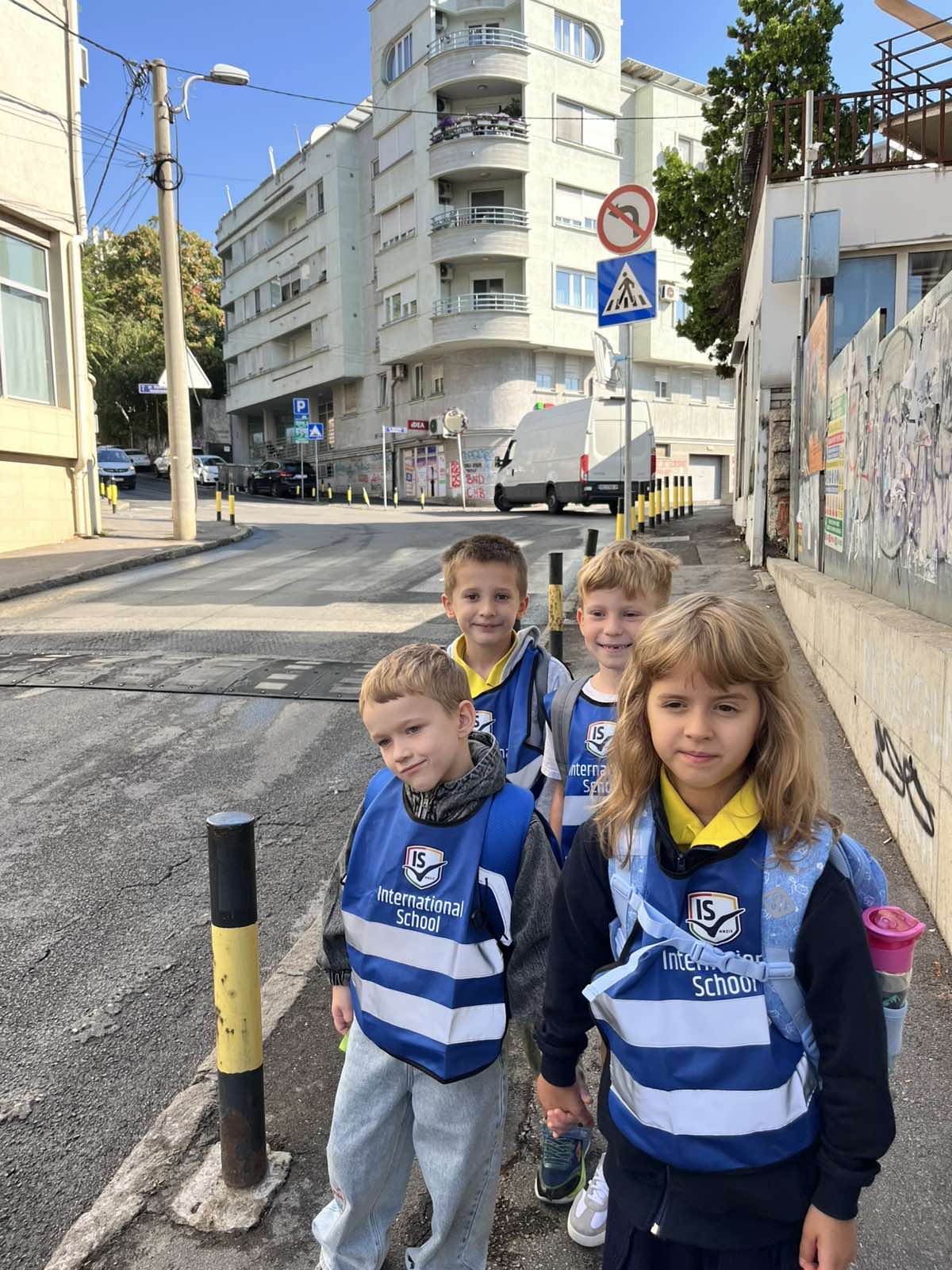
As they moved through the local area, students practised using directional language such as left, right, forwards, backwards, near, far and next to. Instead of learning these concepts only from a worksheet or textbook, they were able to apply them in a real environment.
The students carefully observed the route, discussed what they could see and thought about how different parts of the park were connected. Working together, they followed directions, gave instructions to one another and developed a better understanding of position, distance and movement.
This practical approach helped make abstract concepts much easier to understand. By physically moving through the space and describing their surroundings, students were able to connect language with real experiences.
Turning Exploration into Maps
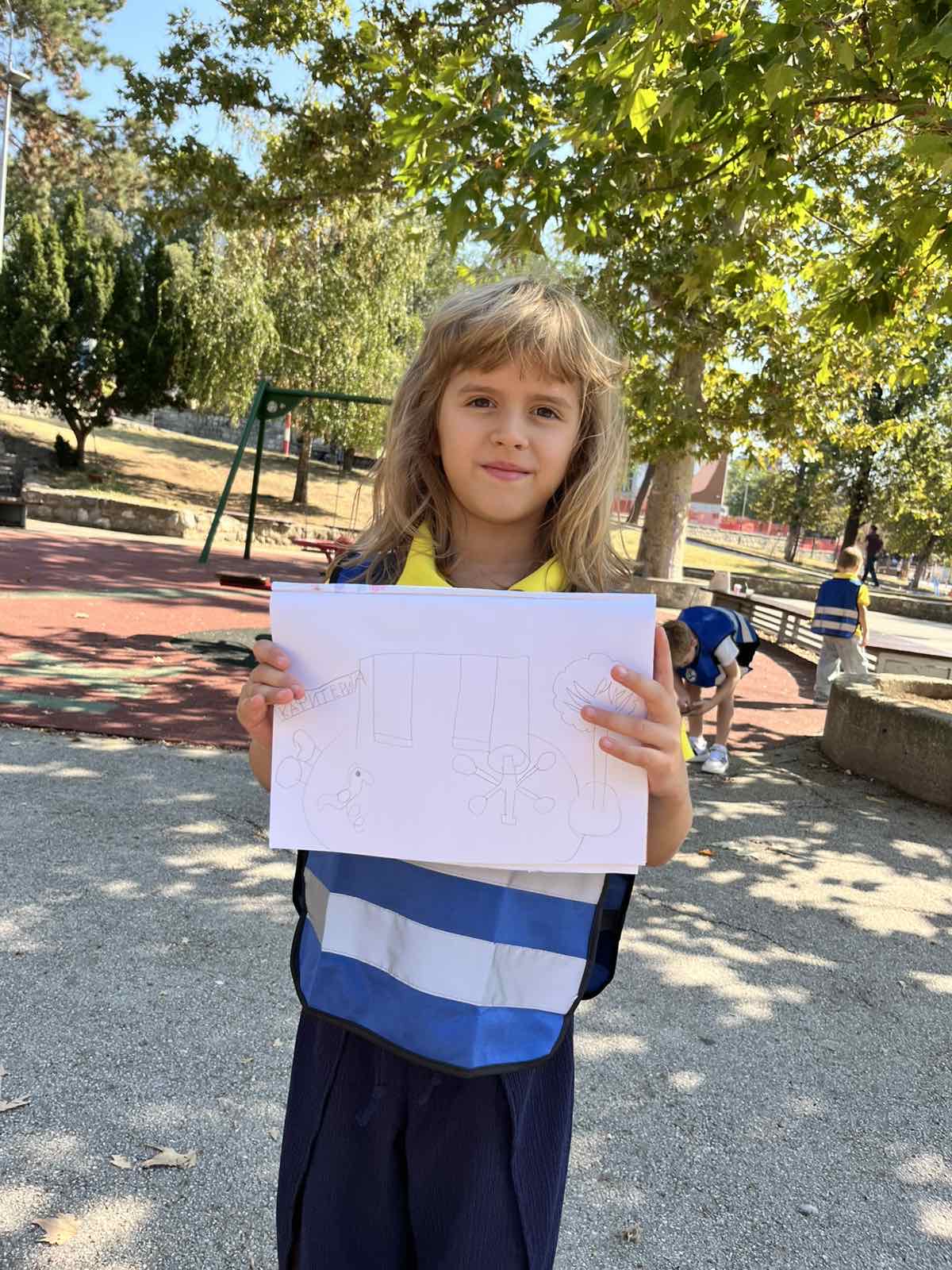
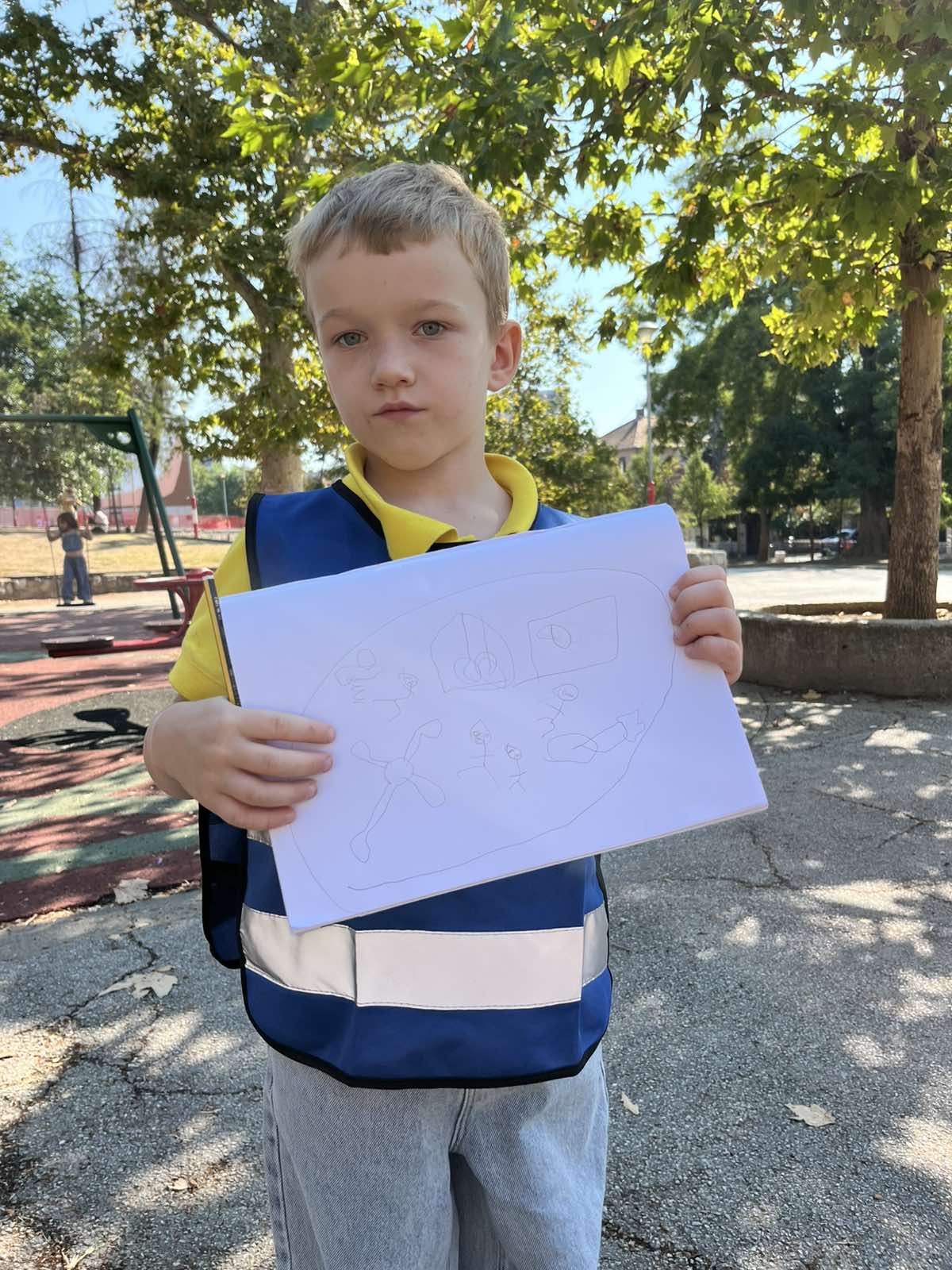
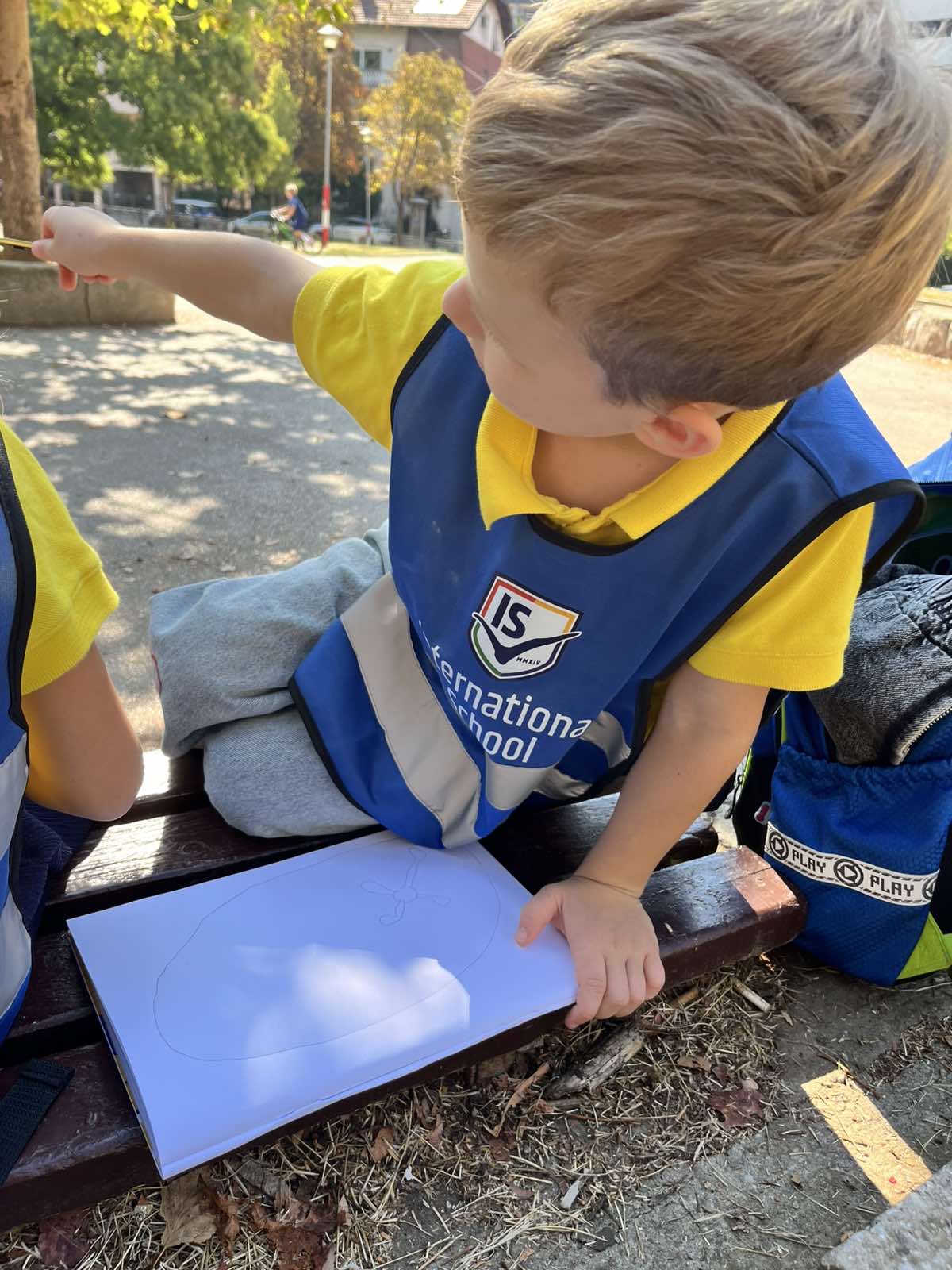
The visit also introduced students to basic mapping skills. They looked closely at the layout of the park and then used drawings and simple maps to represent what they had observed.
Creating their own maps encouraged them to think about where objects and landmarks were positioned in relation to one another, while also developing spatial awareness, observation and problem-solving skills.
The lesson combined movement, discussion and creativity, giving students the opportunity to learn actively while enjoying time outdoors with their classmates.
For Year 2 students, the local park became much more than a place to visit. It became a real-life learning environment where they could explore, navigate and put new vocabulary into practice.
By the end of the activity, students had strengthened their understanding of maps and directions while discovering how learning can extend far beyond the classroom walls.