


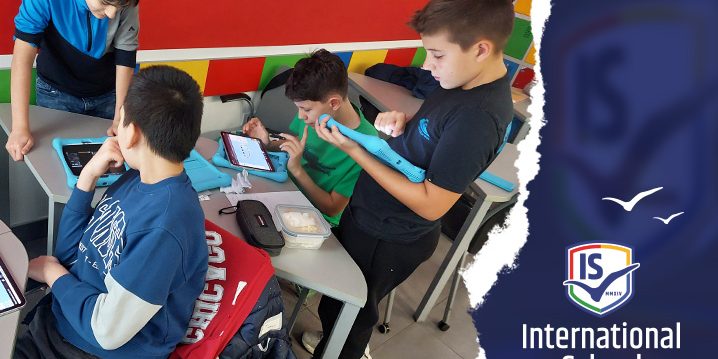
Year 7 students recently participated in an engaging Science lesson led by their teacher, Maja Milosavljević, where they explored fundamental physics concepts through interactive digital experiments using the PhET web application. This innovative approach transformed the classroom into a dynamic learning environment in which curiosity, observation, and experimentation took centre stage.
Learning by Investigating and Experimenting
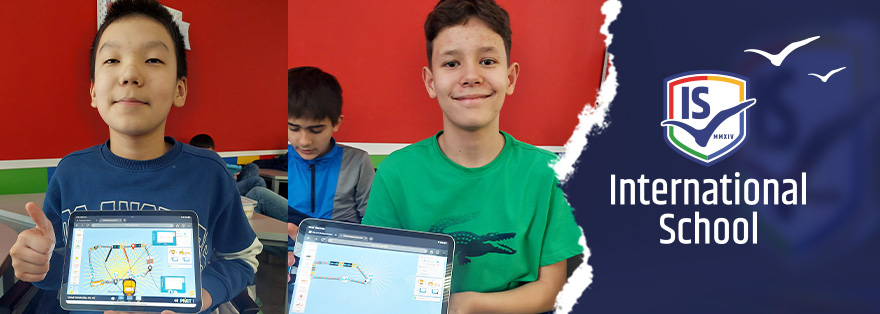
During the lesson, students investigated key topics such as electric circuits, energy, light, and other physical phenomena within a safe and fully interactive virtual space. The simulations enabled them to observe cause-and-effect relationships, test different variables, and manipulate experimental conditions in real time.
Through this hands-on digital exploration, abstract scientific laws became clearer, more tangible, and easier to understand.
Supporting Active and Student-Centred Learning
Integrating digital tools into Science lessons encourages active participation and places students at the heart of the learning process.
By experimenting independently, asking questions, and drawing their own conclusions, students develop not only scientific knowledge but also critical thinking, problem-solving skills, and confidence in exploring the natural world.
Experiences like this demonstrate how thoughtfully used technology can enrich classroom learning and inspire a deeper interest in science, preparing students for future discovery and innovation.